| Black Hills and Badlands Geology |
|
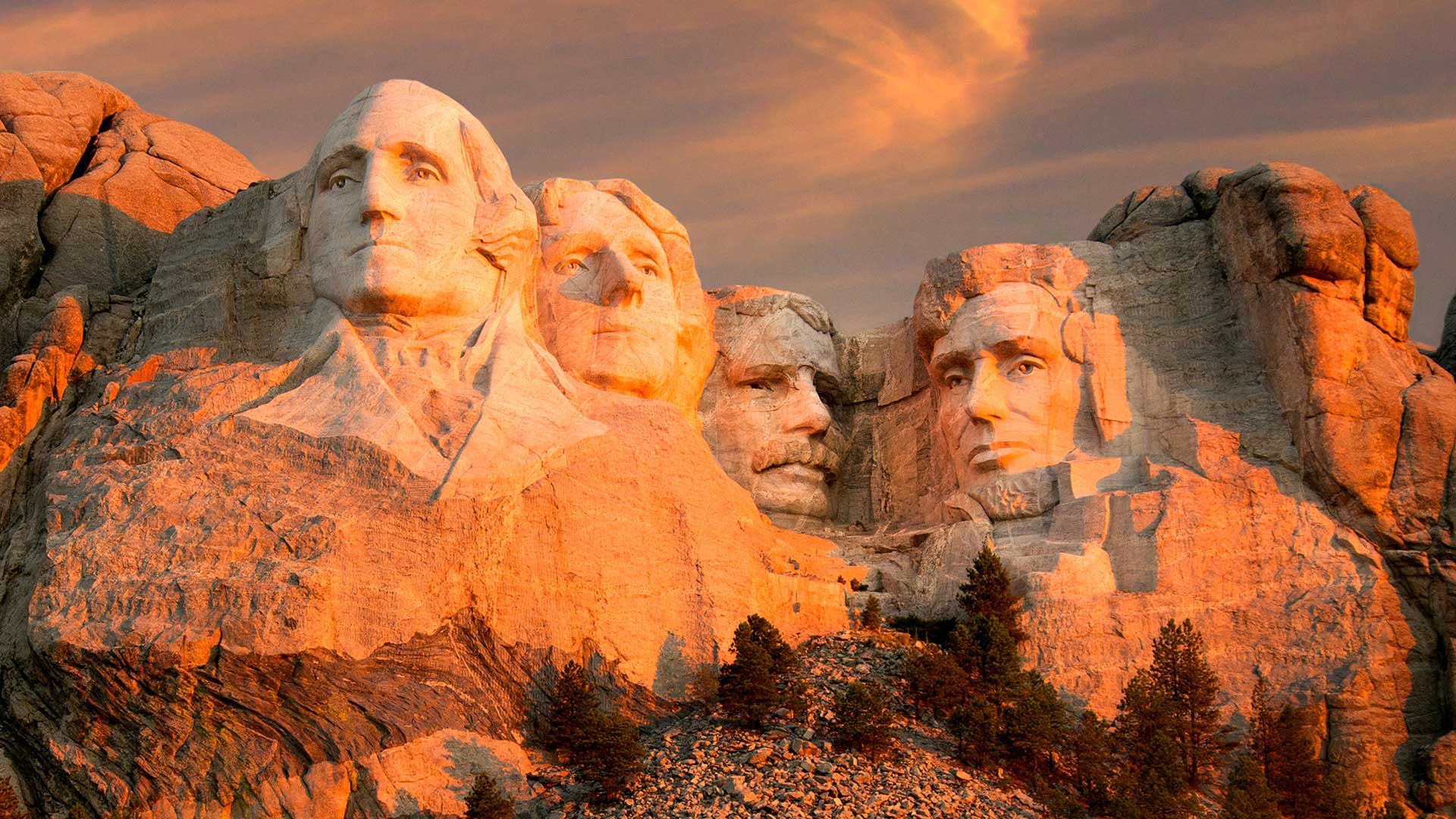
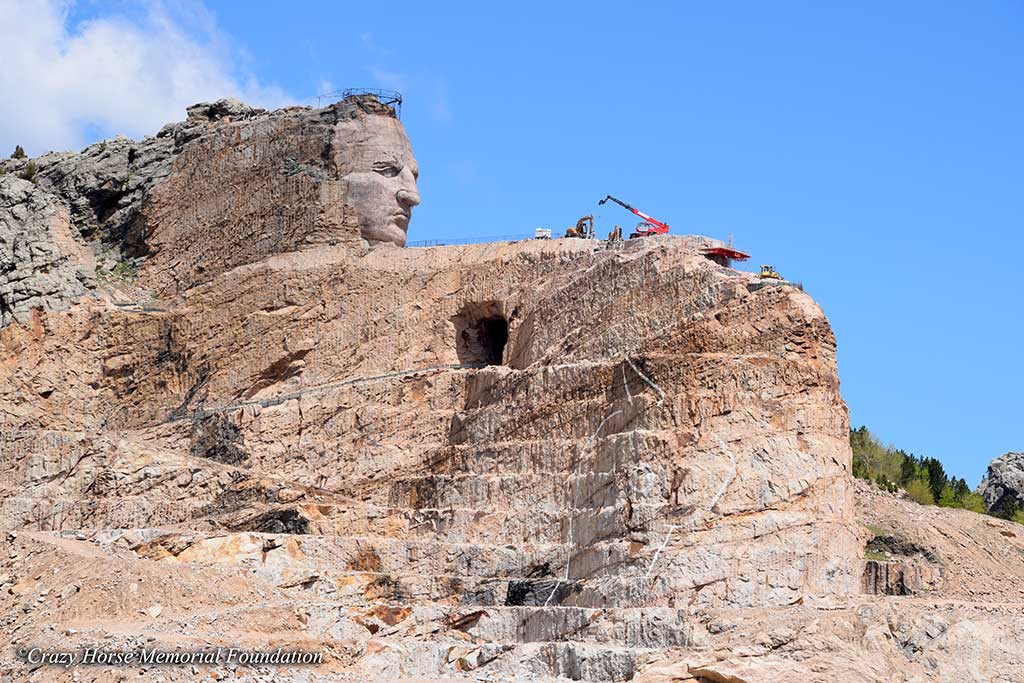
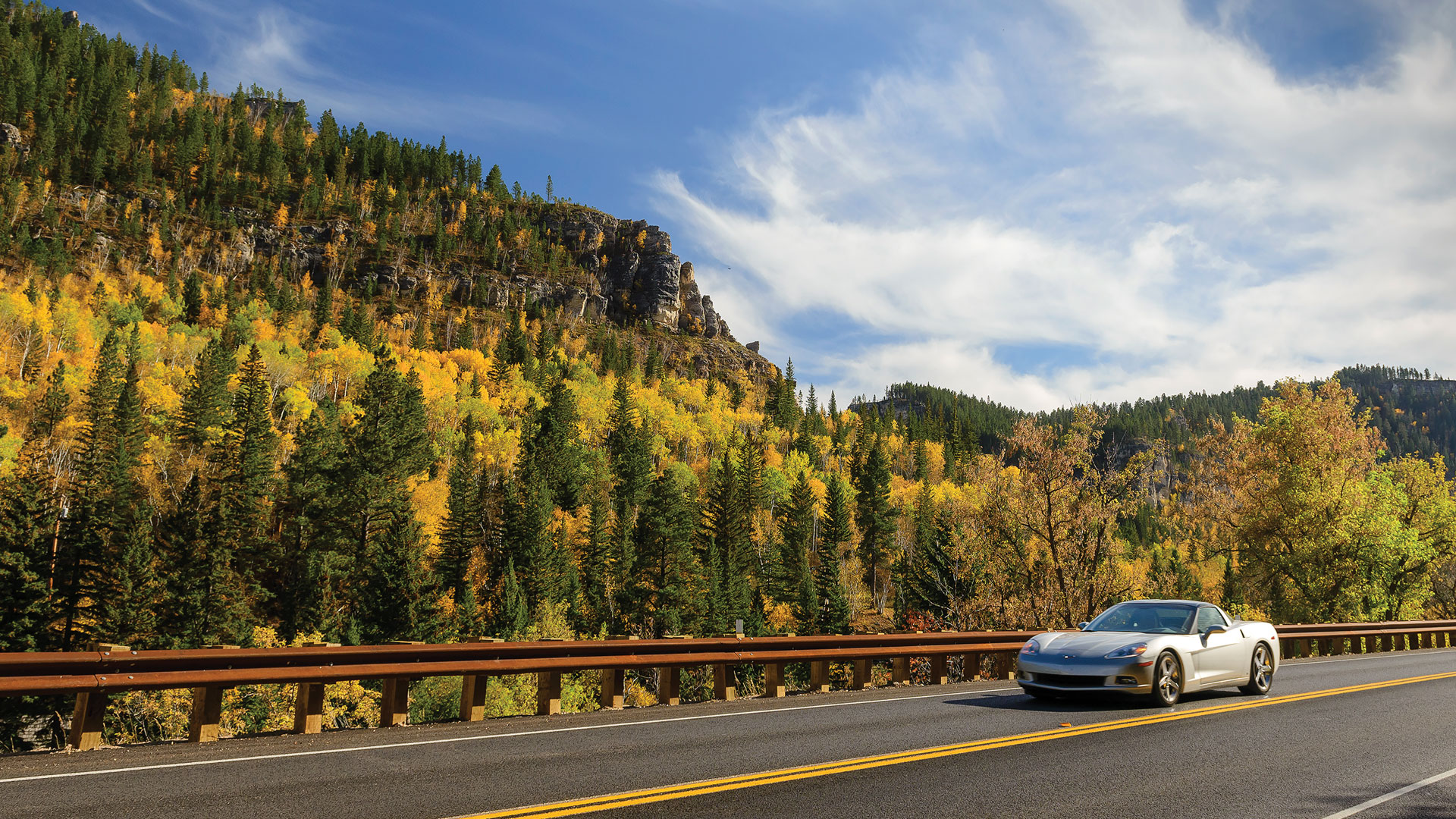
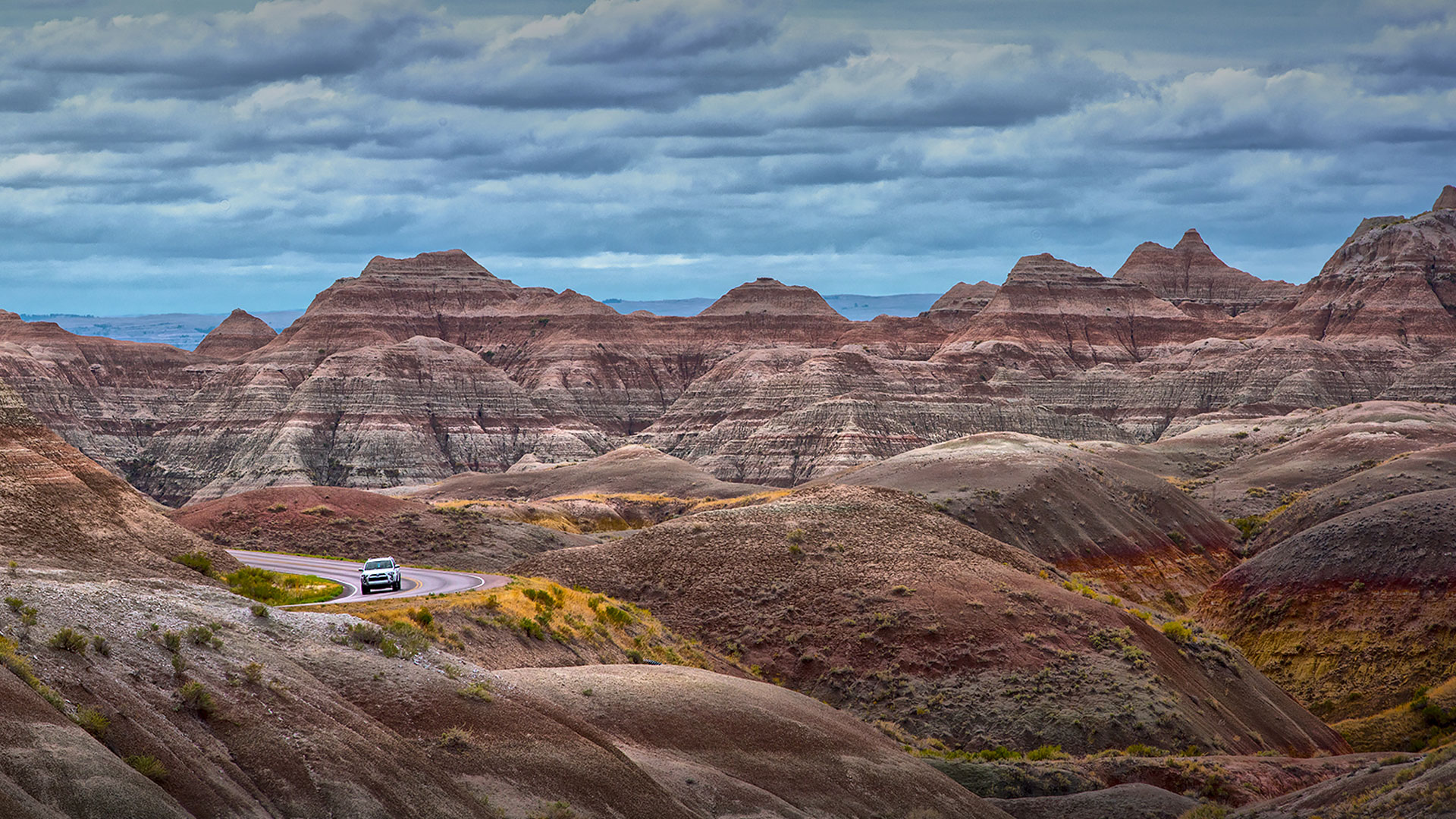
The unique and varied landscapes of the Black Hills and Badlands region are a geology student’s dream. The following is a general overview of the four geologic formations that make up the Black Hills region. Examples of these formations are evident in may areas of the Hills: the walls of Spearfish Canyon; Harney Peak, Mount Rushmore and Crazy Horse Memorials; Devils Tower, the Needles; Bear Butte; and the Badlands to name only a few of the most obvious examples. Here is a simplified overview of the formation of the Black Hills and Badlands:
Precambrian Formations
In general, the oldest rocks in South Dakota were formed more than 2 billion years ago, during the Precambrian Period. They consist of the granites and metamorphic found in the core of the Black Hills.
In the Black Hills of western South Dakota, great sheets of granite intruded the igneous and metamorphic rocks. This Harney Peak granite provided the solid base for the carving of Mt. Rushmore. Many thousands of pegmatites were also formed during Precambrian time. In the southern Black Hills, these pegmatites contributed to the mining economy of the region with their crystals of feldspar, quartz, mica, beryl, and lithium minerals. Some have also been mined for tin and tungsten.
By the end of the Precambrian (570 million years ago), South Dakota had been deeply eroded and worn to a nearly flat plain interrupted by low knobs of granite and ridges of resistant quartzite. The top of Precambrian rocks in South Dakota slopes generally from east to west across all but the southwestern part of the state.
Paleozoic Formations
During the latter part of Precambrian time and into the early Paleozoic, South Dakota’s surface was severely eroded forming a relatively flat plain interrupted by low knobs and ridges of resistant rocks. The first sea to advance over South Dakota’s Precambrian surface covered the western part of the state. For most of Paleozoic era, water lapped on and off the state repeatedly, as continental seas advanced from and retreated to the oceans. With each advance and retreat, new rock layers of sandstone, shale, and/or limestone were deposited.
Occasional periods of weathering and erosion interacted throughout the Paleozoic. For example, during Late Mississippian time, the Black Hills area was subjected to weathering and erosion with sinkholes and caverns forming in the upper part of the old limestone surface, and a residual soil of red clay and gravel accumulating in low places. This red soil and gravel can be easily observed in the upper part of Wind Cave.
Mesozoic Formations
The beginning of Triassic period in South Dakota is not too different from the end of Paleozoic, a time of erosion. Late in the Jurassic, shallow continental seas again submerged parts of western South Dakota.
During most of Cretaceous time, North America contained a central north-south seaway that accumulated thick deposits of marine sediments. The end of the Cretaceous marks the final retreat of the continental seas from South Dakota. It also marks the birth of the Black Hills. As the Black Hills area domed upwards, erosion actively attacked the soft shales, and finally the harder and older sediments. Erosion removed more than 6,000 feet of sedimentary rock layers from the central part of the Black Hills. During the later stages of uplift, great volumes of molten rock were forced upwards, forming many of today’s valuable mineral deposits (i.e., gold and silver) in the northern Black Hills.
Tertiary Formations
Erosion continued to be the dominant force as the Tertiary Period began. By Early Oligocene time, stream gradients were so reduced that the streams could no longer carry away their erosion products, and deposition started on the plains adjacent to the Black Hills – to become the Badlands. Gradually, the lower two-thirds of the Black Hills became buried by light-colored clays and sands, derived not only locally, but also from mountain areas to the west. Volcanic activity, probably near Yellowstone Park, contributed large volumes of windblown volcanic ash to the sediments. By the end of Oligocene time, it is conjectured that the Black Hills projected less than 2,000 feet above this apron of sediments.
Uplift, or a change in climate, or both, caused a renewal of erosion. The soft unconsolidated sediments were attacked and gradually the lower part of the Black Hills was exposed. The Black Hills today probably looks very much like it did 40 million years ago. The sediments, eroded and carved into a very distinctive type of topography, can be viewed in the Badlands in southwestern South Dakota.
Sources: South Dakota Geological Survey Department, 2001
PAHA SAPA – A Cultural Resource Overview of the Black Hills National Forest
of South Dakota and Wyoming, 1984
|
|
|
|